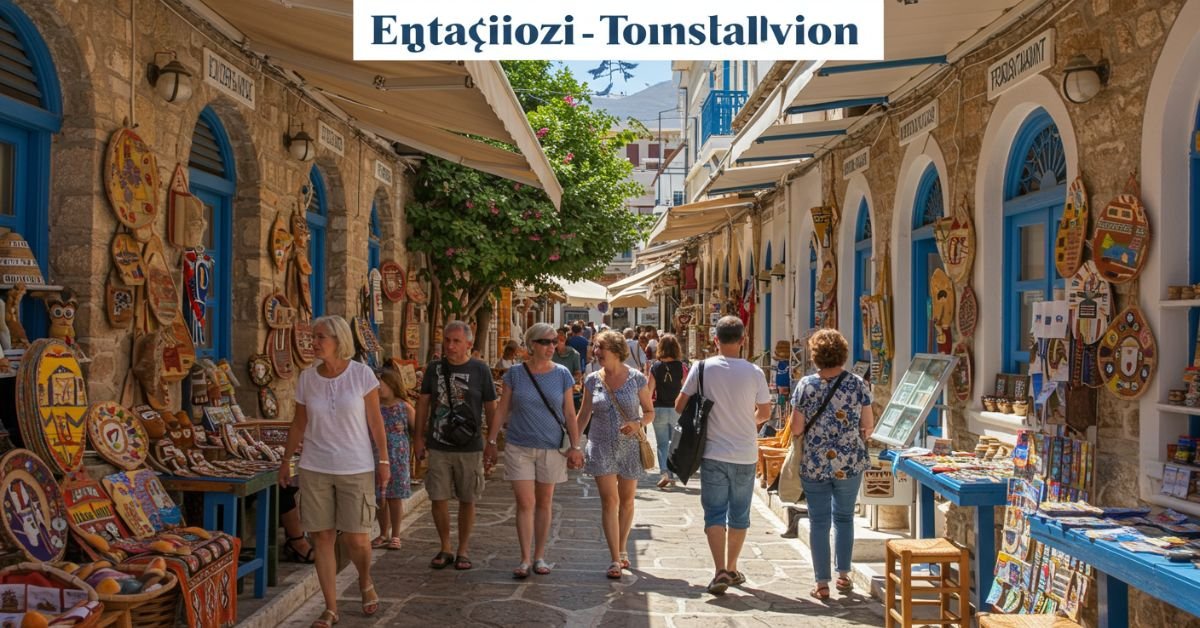
In Greece, tourism plays a significant part in the economy of the country. Its mesmerizing islands, historic sites, and thousands of years of ancient civilization attract millions of tourists each year. The tourists came to Greece not only to enjoy its beauty but also because they want to know about the enriched Greek civilization. In this situation, communication is crucial, which is where professional Greek translation services are useful. By preventing the language gap from overshadowing the beauty of the country, translation is the tool that bridges the gap between foreign visitors and the local people of the nation.
The Connection Between Language and Cultural Tourism
From Zeus and Athena’s mythology to Byzantine churches’ artistry, Greece presents visitors with a story that needs to be interpreted in order to be enjoyed. Imagine wandering around the Acropolis without explicit directions in your native tongue. You may be astonished by the historical remnants but fail to appreciate the multiple meanings that make them so remarkable.
As visitors are able to read correct and transparent translations, they don’t merely view; they learn, connect, and retain. A translated museum sign, a multilingual guidebook, or an available digital tour enables travelers to understand heritage, not as stones but as a living narrative.
Making Tourism Accessible
Inclusiveness is one of the essential concepts of cultural tourism. Greece receives tourists from all corners of the earth, from Asia, Europe, the Americas, and even more. But not all of them speak English or Greek fluently enough to be able to connect with what they observe and experience. Without interpreting, many tourists would deprive themselves of the stories and traditions that make the culture unique. That’s why making Greek culture accessible to other languages isn’t merely useful; it’s what keeps it open and available to all.
Guided tours, cultural performances, traditional celebrations, and even village ceremonies regularly require linguistic support so international visitors feel welcome. When the visitor comprehends the words of a song or the meaning behind a ritual through translated copy, then the cultural encounter is authentic and inviting.
Why Accuracy Matters in Cultural Tourism
Precision is essential when portraying culture between languages. A translation mistake in a commercial campaign or heritage outline can lead to confusion or, worse, misconstrue the significance of cultural practices. For instance, misunderstanding a sacred ceremony as entertainment may upset local populations and mislead tourists.
It is here that the intervention of professional expertise is needed. Professional Greek translation services guarantee cultural elements are treated sensitively and accurately. Translators who are native and know about the background of the rich heritage can disseminate cultural and historic information accurately.
Enhancing Marketing for Cultural Tourism
Tourism in Greece is not sustained on cultural heritage alone but on the extent to which these places are marketed to the world at large. Tour guides, websites, blogs, and destination promotions must appeal to the would-be tourists in their own language. Translation achieves this by localizing not only the text but also the tone and message.
For instance, a campaign addressing German tourists will be interpreted differently from one for Japanese tourists. Translating Greece’s cultural stories into each of the language markets ensures that the marketing message is not merely read but also resonant. A language translation company that guarantees tailored communication, helping tourism boards and travel operators expand their reach while preserving cultural authenticity.
Digital Tourism and the Role of Translation
The digital transformation has revolutionized travel. People now plan their holidays on the internet, view virtual tours, and reserve bookings within minutes on the touch of their mobile phones. Translation here, too, becomes a crucial factor. A site that provides multi-language descriptions of Greek monuments enables foreign users to navigate with ease without hesitation.
Even social campaigns that are based on showcasing Greek customs, music, and cuisine require multilingual options in order to target wider audiences. Subtitles on marketing clips or translated blog entries regarding Greek heritage celebrations assist in spreading the nation’s cultural reach way beyond national borders. Otherwise, the internet presence of Greece’s cultural tourism would be limited only to English-speaking tourists.
Translation as Cultural Preservation
There is another aspect usually not addressed: translation is preserving culture. When Greek rituals, music, or practices get translated and recorded, they are made available worldwide, and they gain recognition and admiration. Such global exposure is an incentive for subsequent generations within Greece to preserve and maintain their cultural heritage because it is seen that the world also appreciates it.
For example, translated Greek folk stories or historical accounts that are applied in educational tourism programs enable foreign students to relate to the heritage of Greece. Therefore, translation not only enables tourism but also protects culture for generations and centuries to come.
Conclusion
Cultural tourism isn’t just about visiting landmarks; it’s about forming meaningful connections. In Greece, a country rich in diverse heritage, translation serves as the bridge that brings those connections to life. From walking tourists through ancient sites to assisting communities in sharing their traditions, translation makes cultural resources into shared experiences.
By investing in the services of professionals, Greece makes sure its tales, traditions, and history are not only appreciated but really learned by tourists from around the globe. And by that, the nation solidifies its status as among the most culturally interactive destinations in the world.