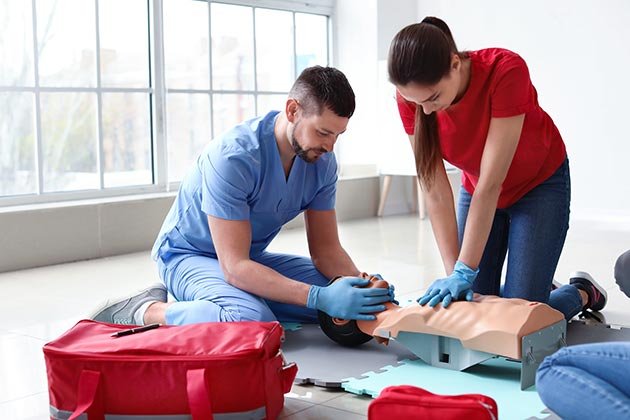
Emergencies can happen anytime and anywhere. Being prepared is not just about knowing what to do—it is about acting fast and correctly. When someone stops breathing or gets injured, every second counts. Learning both CPR and first aid equips you to respond to a wide range of situations, giving you the confidence to save lives.
Training in CPR + First Aid ensures you have a complete skill set. You learn not only how to perform chest compressions and use an AED but also how to manage cuts, burns, choking, and other common emergencies.
Why CPR Alone is Not Enough
CPR is crucial for cardiac emergencies, but it does not cover all types of accidents. Injuries, allergic reactions, burns, and sudden illnesses require first aid knowledge. Limiting your skills to CPR may leave you unprepared for these situations.
By combining CPR with first aid, you can:
- Treat minor injuries immediately
- Support someone until emergency services arrive
- Recognize warning signs of serious conditions
- Reduce the risk of complications from injuries
This combination makes you ready for both life-threatening emergencies and everyday accidents.
The Benefits of First Aid Training
First aid teaches you how to respond to a variety of emergencies safely and effectively. It covers basic wound care, handling fractures, choking interventions, and recognizing signs of shock or stroke.
Key benefits include:
- Reducing pain and preventing infection
- Stabilizing injuries before professional help arrives
- Knowing what steps to take in rare or unexpected situations
- Increasing confidence to act without hesitation
Combining first aid with CPR gives you a comprehensive ability to help others in almost any scenario.
How CPR and First Aid Work Together
When someone collapses or suffers an injury, CPR and first aid complement each other. CPR keeps blood flowing to vital organs during cardiac emergencies, while first aid addresses additional medical needs.
Training teaches you how to:
- Quickly assess the scene for safety
- Decide if CPR, first aid, or both are needed
- Provide care while waiting for help
- Prioritize actions during multiple emergencies
This dual knowledge ensures the best possible outcomes for victims.
Who Should Take CPR + First Aid Training
Anyone can benefit from this combined training. It is especially helpful for:
- Parents and caregivers
- Teachers and school staff
- Coaches and fitness trainers
- Office workers and managers
- Lifeguards and childcare providers
- Volunteers and community workers
Having both skills makes you ready to assist adults, children, and even infants in emergencies.
Confidence During Real Emergencies
Emergencies can be stressful and confusing. Training in both CPR and first aid helps you remain calm and focused. You learn the proper steps and gain confidence that your actions can make a real difference.
People trained in CPR + First Aid report feeling:
- Less anxious in emergencies
- More prepared to help family or coworkers
- Able to handle multiple types of injuries
- Empowered to make quick, effective decisions
Confidence allows you to act without hesitation, improving outcomes for victims.
Practical Skills You Will Learn
The training covers a wide range of life-saving skills. These include:
- Chest compressions and rescue breathing
- Using an AED
- Treating cuts, scrapes, burns, and bleeding
- Responding to choking or airway obstruction
- Managing fractures, sprains, and sudden illnesses
By learning these skills, you are prepared for both serious and minor emergencies.
Emergency Preparedness in the Home
Many emergencies happen at home. Having knowledge in CPR and first aid allows you to handle situations like falls, burns, and sudden illnesses immediately.
Preparedness tips include:
- Keep a first aid kit accessible
- Store emergency numbers in a visible place
- Teach family members basic safety and first aid skills
- Review and practice emergency procedures regularly
These habits, combined with formal training, keep your household safer.
Emergency Preparedness in the Workplace
Workplace accidents are common and can vary from slips and falls to cardiac emergencies. Training in both CPR and first aid equips you to protect yourself and coworkers.
Workplace readiness includes:
- Knowing the location of first aid supplies and AEDs
- Practicing evacuation and emergency response plans
- Recognizing symptoms of medical distress
- Acting quickly and confidently in emergencies
Employers also value staff who are certified, making combined training a professional asset.
The Role of Continuous Learning
Even after completing training, skills can fade over time. Regular refreshers ensure that you stay confident and competent. Online or in-person recertification helps you review CPR techniques, AED use, and first aid practices.
Staying current allows you to:
- Remember critical steps under stress
- Practice updates in guidelines or procedures
- Improve speed and efficiency in real situations
- Maintain readiness for unexpected emergencies
Continuous learning maximizes the life-saving potential of your skills.
Conclusion
Training in CPR + First Aid provides complete readiness for emergencies at home, work, or in the community. This combination ensures you can respond effectively to both life-threatening situations and common injuries. By gaining knowledge, practicing regularly, and staying current with recertification, you increase your ability to save lives and protect those around you.